
Recap: plaece meet-up, autumn 2026
On 17 September, we welcomed staff from various DMOs from across the country to our offices in ’s-Hertogenbosch for a new edition of the plaece meet-up. It was a day on which we not only shared the latest developments within plaece, but above all looked ahead. Because the world in which DMOs operate is changing rapidly. Very rapidly.
AI is changing how visitors search and make choices. The website is no longer automatically the starting point of every customer journey. At the same time, the importance of reliable content, up-to-date data and demonstrable impact is growing. The role of the DMO itself is also shifting: from an information provider and marketer to an expert who uses knowledge and data to contribute to much broader issues surrounding a destination.
What has stayed with me most is the changing role of destination marketing websites and how to create distinctive content in the AI/zero-click era.
Herma Luiten, Online Marketer at Ede Marketing
A lot can change in a year
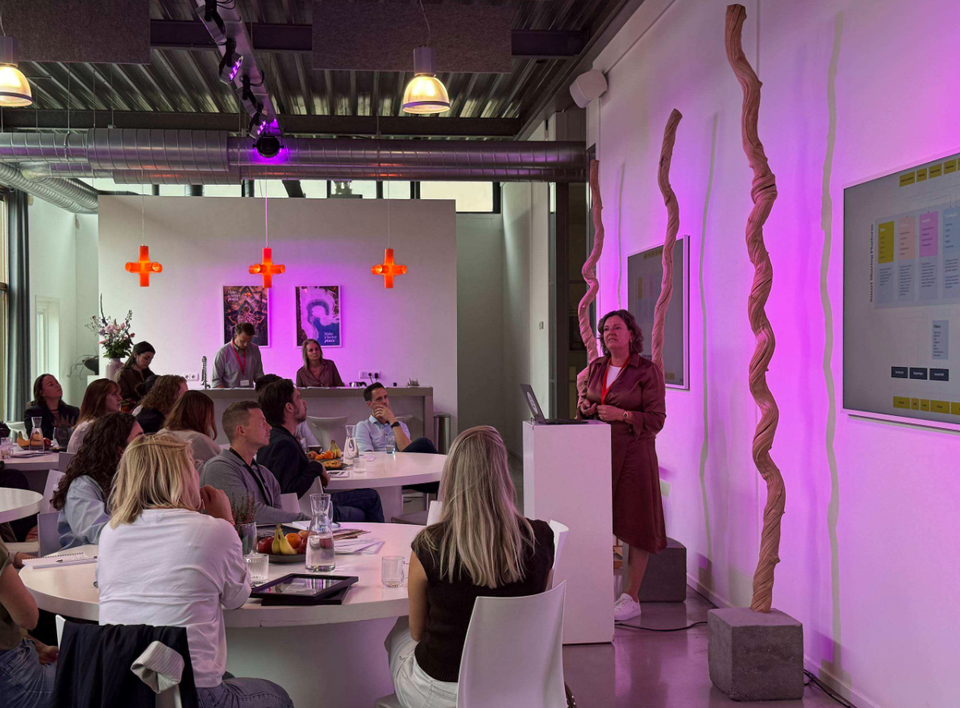
Judith kicked off the day with a presentation on Digital Trends for 2027. Whilst the announcement of Google’s AI mode was the main focus at the previous Plaece meet-up, we can now see how quickly that development is having an impact in practice. The example of Sunweb showed that organic search traffic can decline whilst the need for information remains and visitors arrive via other channels. At the same time, examples such as Polarsteps (where travellers were even tracked back home) make it clear that technological progress also raises new questions about privacy, trust and responsibility. What is also striking is the counter-trend: the more digital and fleeting the world becomes, the greater the need for the real, the physical and the human seems to grow.
Regulatory requirements are now also a factor. From 2 August 2026, transparency obligations under Article 50 of the European AI Act will apply, including in cases of direct interaction with AI, deepfakes and certain AI-generated publications. During the meet-up, we therefore demonstrated how an internal labelling protocol can help organisations deal with different forms of AI content in a more conscious and transparent manner.
Check out our AI Toolbox for DMOs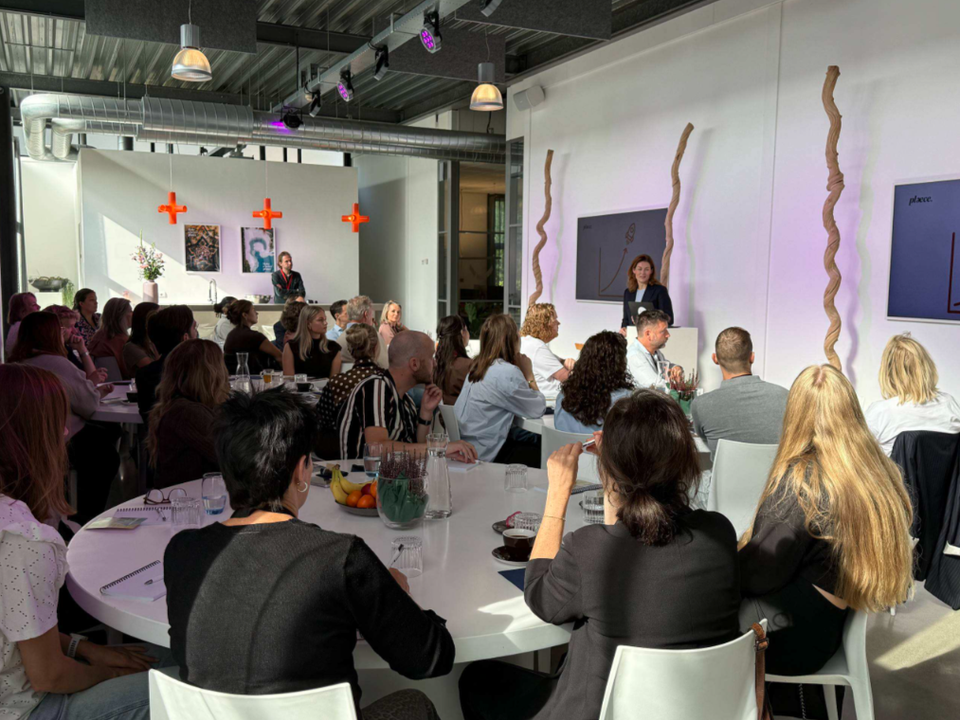
It is not just technology that is changing: the role of the DMO is changing too
It is not just technology that is changing; the role of the DMO is also evolving. Leisure is becoming increasingly important in areas such as wellbeing, personal development and work-life balance, whilst tourism continues to grow. The NBTC expects the Netherlands to welcome around 61 million overnight visitors by 2035 and, in its ‘Perspectief 2040’ report, links the visitor economy ever more explicitly to broader societal challenges, such as quality of life, mobility, nature conservation, housing and the energy transition. At European level, too, the focus is shifting from purely economic growth towards a more sustainable and inclusive model of tourism, in which local communities and the environment are given greater priority.
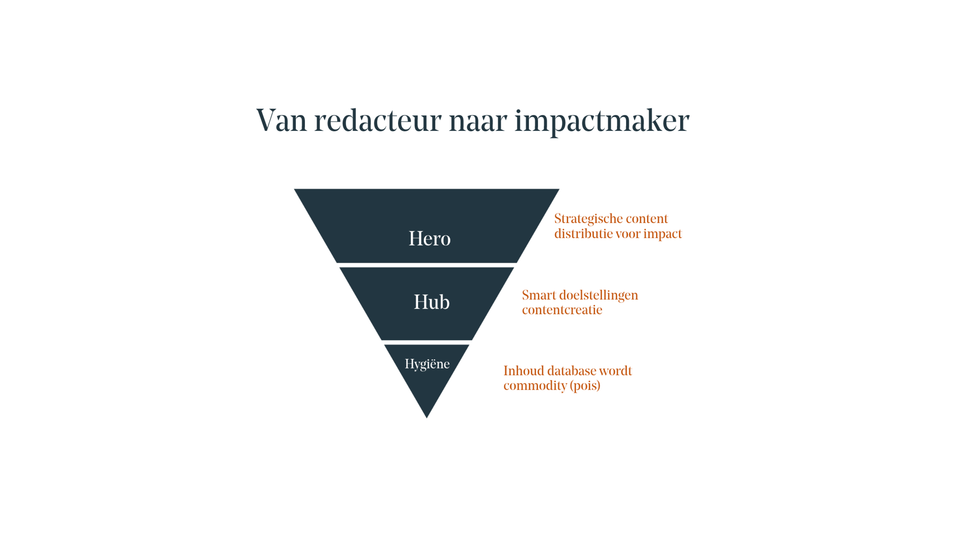
This development calls for a different role for the DMO. Whereas the organisation was once primarily an information provider, then a marketer and subsequently a destination manager, it is increasingly evolving into a subject-matter expert and knowledge partner for the destination. The central question is therefore no longer simply how to attract more visitors, but also which visitors are suited to which time and place, how to encourage a more even spread of visitors, what value tourism brings to residents and businesses, and what insights policymakers need to make sound decisions. It is precisely within this broader remit that the future expert role of the DMO lies.
From monitoring figures to demonstrating added value
Data is indispensable for credibly fulfilling that expert role as a DMO. The key message from the meet-up was: don’t start with the data, but with the strategy. First, determine what you want to achieve as a destination and what social or economic goals go hand in hand with that. You then translate those goals into SMART KPIs, metrics and measurement points. Only then do you determine what data you need. This is a different way of working from simply starting in Analytics and trying to make sense of sessions, users and conversions after the fact.
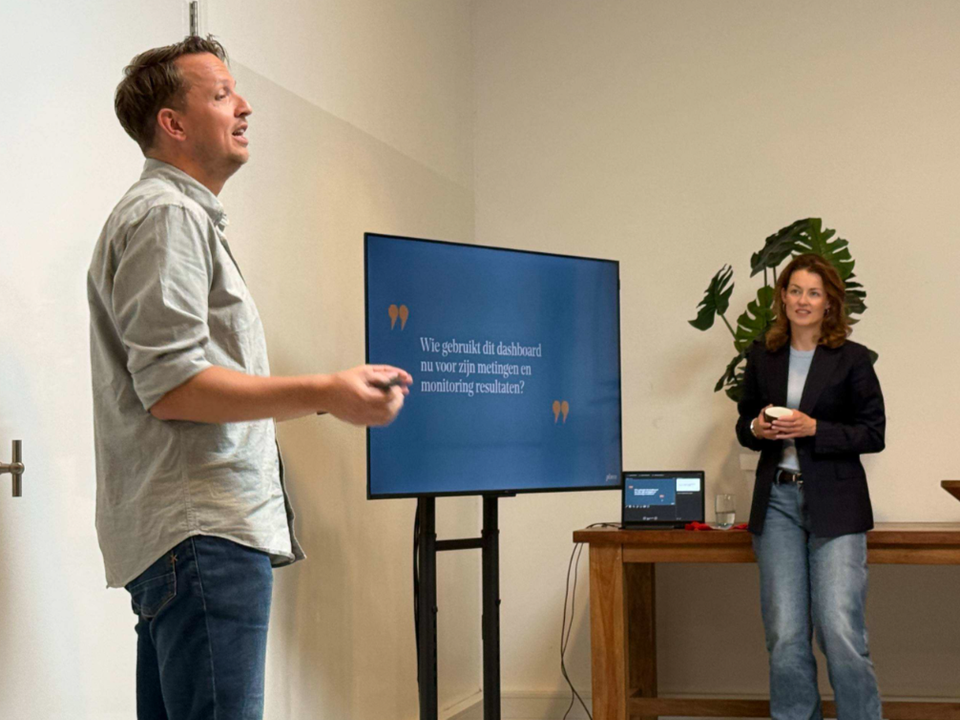
In the breakout session ‘From Effort to Evidence’, presented by Ruben, the focus was therefore on the step from measuring to demonstrating. Traditional web analytics are increasingly failing to provide the full picture, partly due to privacy restrictions, zero-click behaviour and customer journeys that span AI, social media and other platforms. In addition to website visits, you must therefore also look at indicators such as visibility, source ranking in AI, zero-click value, content quality and sentiment. The next step is to link these insights to the value for stakeholders: not just reporting how many visitors you had, but demonstrating what objective you are pursuing, what you are focusing on and what contribution you, as a DMO, actually make to the destination.
New innovations: from individual features to demonstrable impact
The innovations presented by Pascal did not focus on the technology itself, but on the question: what do you want to achieve with it? That is why we are increasingly working with Smart Bundles: combinations of features and page parts linked to a specific goal, such as better distributing visitor numbers, making smarter use of routes or improving the discoverability of detail pages. One example is ‘plaece.switch’ at Visit Maastricht (visitors can tick the ‘I’m in Maastricht now’ box). Around 1,800 visitors used the switch during the period measured, and according to GA4, their engagement time was 70 per cent higher than on the regular homepage.
The Detail Page Booster also demonstrates what this approach can achieve. On the Voorne-Putten website, nineteen detail pages were enhanced with USPs, FAQs and reviews. In the measured comparison, visits to these pages increased by 48 per cent, organic traffic by 56.3 per cent and time on site by 29 per cent. To provide further support to DMOs, the AI Toolbox for DMOs is also available, featuring, amongst other things, an AI Visibility QuickScan and generators for FAQs and reviews.
View our Smart Packages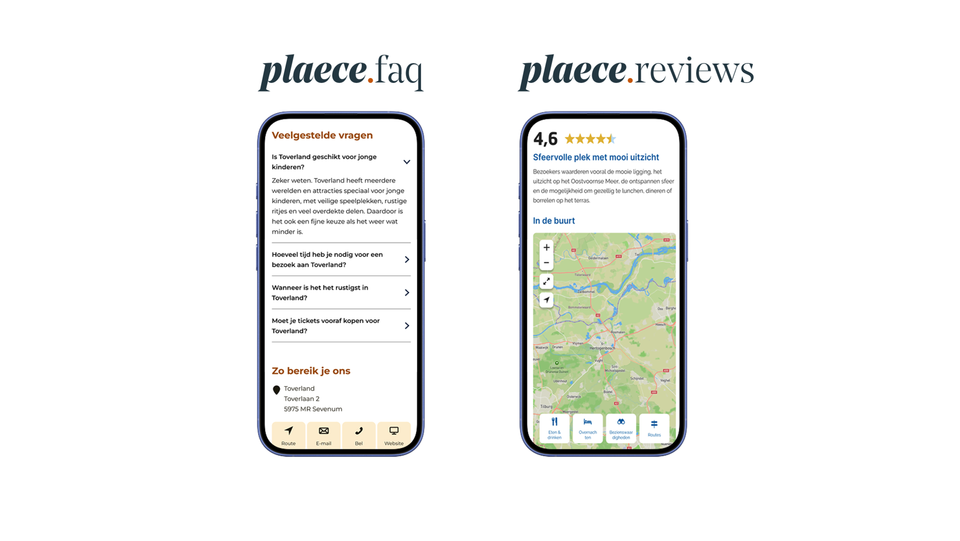
Zero-click: if visitors no longer click, does your content still matter?
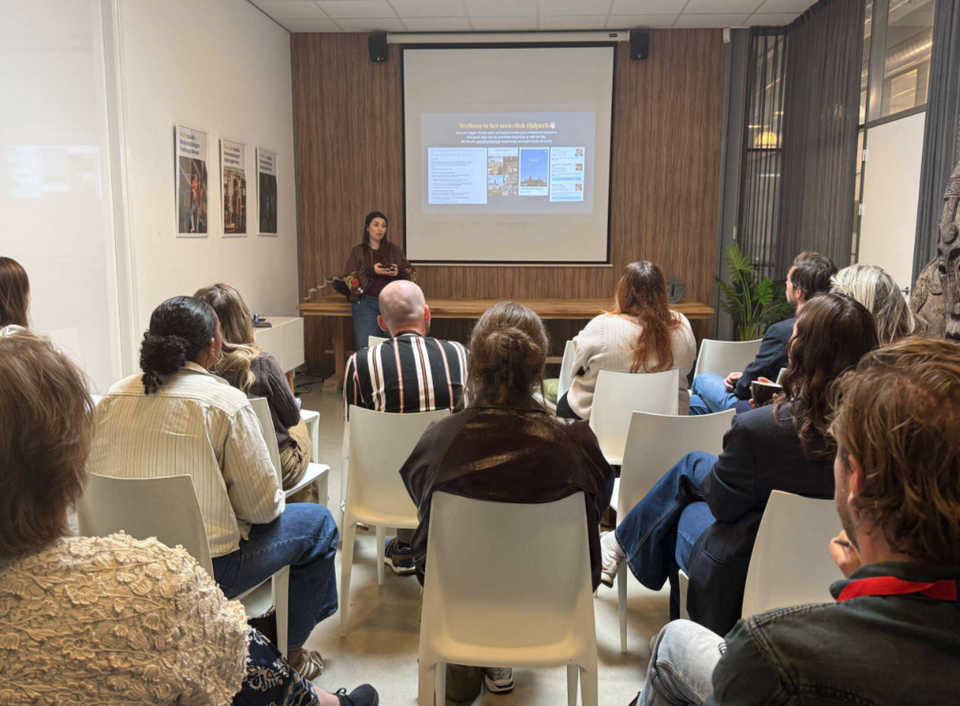
Amanda’s breakout session centred on the question of what ‘zero-click’ means for the role of content. Data from over a hundred DMO websites shows that the total number of visitors can still grow, whilst organic search is growing at a much slower rate and part of the research process is shifting towards AI platforms, Google, social media and other channels. Zero-click does not, therefore, mean that websites are disappearing, but rather that information is increasingly being used without a direct click being made. This calls for a different content strategy, one that focuses not on the number of pages, but on the extent to which content answers visitors’ specific questions.
During the session, a distinction was therefore made between content that answers questions, provides evidence and is remembered. Good ‘answer’ content starts with what the visitor is trying to solve; ‘evidence’ content then adds local knowledge, experience and expertise through, for example, locals, business owners, guides and editors. It is precisely this human context that becomes more important as generic AI content becomes easier to produce. In addition, there remains a need for strong, distinctive concepts that ensure a destination sticks in the visitor’s mind. The core of the approach was summarised as: use AI where scale helps, use people where distinction is needed.
Towards the DMO as a knowledge and impact partner
All these developments point in the same direction: the DMO is increasingly evolving into a knowledge and impact partner for the destination. The value lies not only in producing content or generating website traffic, but above all in gathering, enriching and making reliable knowledge available, linking data from various sources, and demonstrating the contribution of tourism and leisure to broader regional objectives.
We also see this trend reflected in the development of plaece: looking towards 2027, the emphasis is on smart content distribution and measurable impact, and looking towards 2030, on tools and data sources that support DMOs as broader knowledge and distribution partners. Servia provided an initial glimpse into the new version of plaece.base, which takes greater account of different types of destinations and their specific strategic challenges. Technology is not an end in itself, but a means to help DMOs build up knowledge more quickly, make better choices and demonstrate their impact more convincingly.
-
Would you like to receive the ‘plaece’ brochure 2026?
